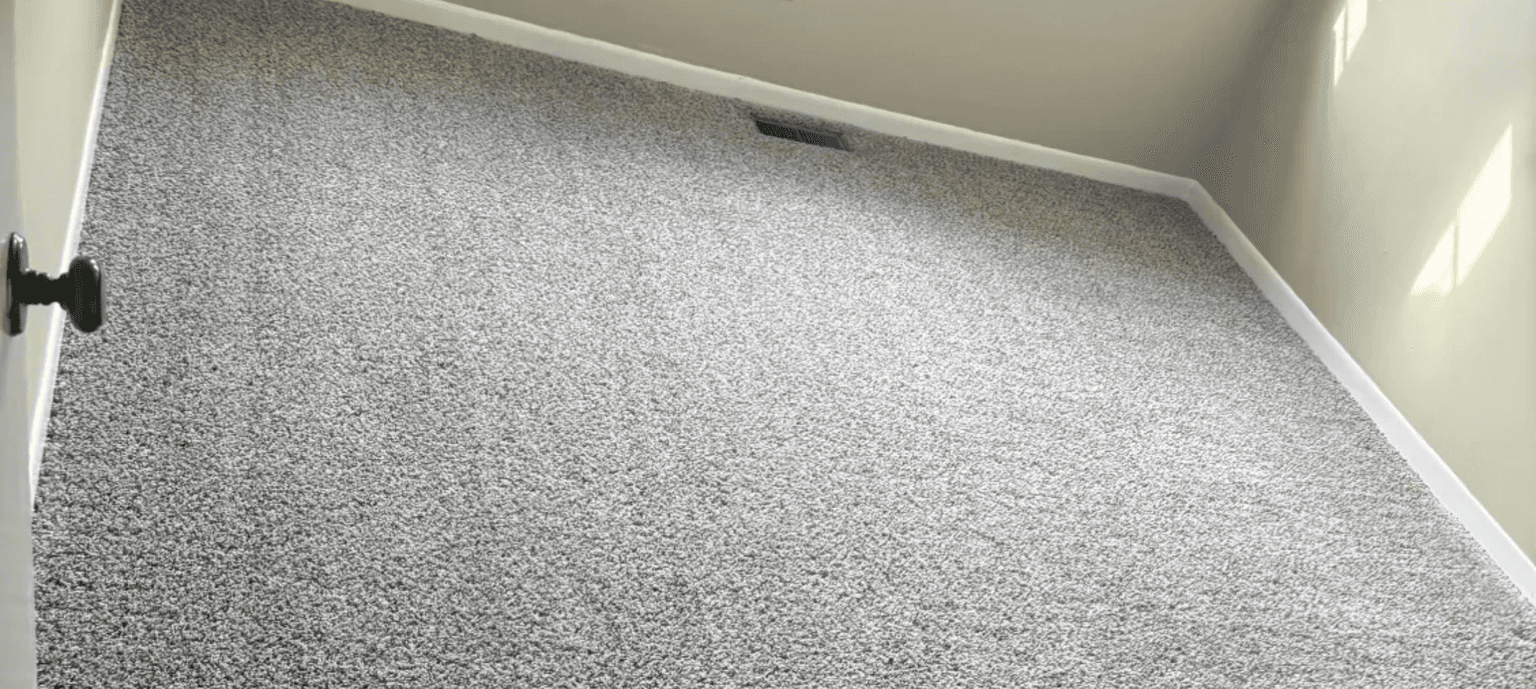
Red clay is the reason a lot of Gallatin carpet looks older than it is. It rides in on cleats from the ballfields, on work boots from a job site off Nashville Pike, and on the dog after a rainy afternoon in the backyard. Vacuuming gets the loose stuff. The fine, orange-tinted grit packed down near the backing stays put, and that's the layer that slowly turns a hallway gray.
We pull that layer out with a low-moisture, carbonated clean and no soap at all. Most carpet is ready for socks in about an hour, there's no sticky film left to catch next week's dirt, and the kids and the dog can stay home while we work. Safe-Dry® Carpet Cleaning of Gallatin is a locally owned franchise working out of 774 Alexander Ct, on a method the Safe-Dry system has been refining for more than 30 years.
Why so much Sumner County carpet goes gray early
A big share of the homes we clean around Gallatin went up in the last fifteen years. Builder-grade carpet in those subdivisions looks great at the closing table. Then it meets two young kids, a Labrador, and a spring when pollen coats every car in the driveway yellow.
Carpet is the biggest air filter in the house. Dust, dander, and tracked-in soil settle into it, and every footstep pushes a little more down toward the backing. Built-up grit behaves like sandpaper. Traffic lanes go flat and dull long before the rest of the room does, and no vacuum on the market brings them back. In most of these houses the worst lane runs from the garage door through the kitchen to the family room couch, and you can see it from the top of the stairs.
Twice a year is about right for a busy house with pets or crawling babies. A quiet two-person household can get by on once. Families with allergy sufferers tell us the house feels easier to breathe in after a visit, which makes sense once you think about how much of April ends up in the living room.
What happens during a visit
Walking the house, then the stains
We go room to room with you first. Show us where the spaghetti landed, the doorway where the dog waits for the mail, the bedroom where somebody's allergies flare. The plan gets built around your trouble spots, and you hear the price before any equipment comes in from the van.
Stains get worked on next. Coffee, juice, muddy paw prints, and that clay smear by the back door each want a different pre-treatment, so we match the product to the stain and leave the fiber alone.
This is also when to bring up the extras. Urine that soaked through to the pad needs our enzyme urine treatment. A room that just hosted a stomach bug can get the antibacterial sanitizer. There's an allergen treatment for pollen season and a protectant for spill-prone homes. If a room doesn't need any of it, the tech will tell you, and we're fine skipping the upsell.
The carbonated clean
This is where we part ways with a steam truck. The solution goes down carbonated, with very little water behind it. The bubbles push soil up off the fiber, and we lift it away with the solution. The pad underneath never gets wet.
That's most of the trick.
Grooming
We groom the pile last so it dries evenly and the lanes don't show brush marks. The Safety Shield protectant is optional and buys you a few extra seconds before a spill soaks in. Parents of toddlers usually decide that's worth it. Empty nesters usually don't.
The trouble with steam and shampoo
I'll say it plainly: shampoo is why most carpet gets dirty so fast after a cleaning. Traditional steam cleaning pushes hot water and detergent into the carpet, then tries to suck it back out. It never gets all of it. What stays behind is a soggy pad that can take a full day to dry in our summer humidity, plus a soapy film on the fibers.
That film is tacky, and it grabs every bit of dirt that crosses it. It's the reason so many people say their carpet looked worse three weeks after a shampoo job than it did before. We leave nothing behind for soil to stick to, which is how carpets cleaned our way stay clean up to four times longer.
A wet pad in a Middle Tennessee July also means a musty smell, and nobody wants to camp on the porch waiting for the den to dry. If someone shampooed the carpet in the last year, tell us. That old residue takes an extra pass to pull out, and it's the first thing we look for in a lane that went gray fast.
What cleaning can't fix, and what you can do yourself
Some marks aren't dirt. A bleach spot from a bathroom cleaner, the strip by the sliding door that the sun faded, a burn from a dropped candle: the color is gone, and no cleaning puts it back. We'll show you those before we start so the result doesn't surprise you.
Plenty of spills don't need us at all. Blot a fresh one with a white towel and cool water, work from the outside in, and don't scrub. Vacuum the lanes a few times a week and put a real mat at every entry, which keeps a lot of clay where it belongs. Call when the lanes have gone gray, when a stain keeps wicking back after you've treated it, or when the house has a smell you can't place. A rental machine from the grocery store usually makes those worse by leaving its own detergent in the carpet.
Getting ready takes ten minutes. Pick up toys and shoes, and move breakables off low tables. We slide most light furniture ourselves. Beds, dressers, and the piano stay put and we clean around them. A closed door keeps a curious puppy from helping. When we finish, keep the rooms clear for a bit and run the ceiling fans or the AC if it's a sticky day.
The same crew handles area rugs and upholstery, so the sofa and the rug in front of it can go in one trip.
Booking and the guarantee
The Safe-Dry 100% satisfaction guarantee covers every job, and it's simple: unhappy means unpaid. We're BBB accredited and hold a 5.0 rating across more than 175 Google reviews from Sumner County neighbors.
Three rooms (up to 300 square feet) run $88 right now, and the rest of the deals sit on the coupons page. The online scheduler takes a couple of minutes. The phone number is 615-380-7554, answered 24/7, and the contact page is there for questions.