Menu
Same-Day Service Available!
Hardwood floors can make a home feel warm, bright, and easy to love. They bring a classic look to living rooms, hallways, bedrooms, and even dining spaces. At the same time, they also need the right care. Many homeowners in Gallatin, Tennessee want their floors to look clean without causing damage. That is where the big question comes in: what’s the safest way to deep clean hardwood floors?
The answer is not about using the strongest product or soaking the floor with water. In fact, too much moisture, harsh chemicals, rough tools, and poor cleaning habits can all shorten the life of hardwood. The safest way is a careful one. It starts with knowing your floor type, using gentle methods, removing dirt before it scratches the surface, and cleaning with as little moisture as possible. A healthy home should feel simple to maintain, and your floor care routine should support that goal rather than make it harder.
For many families, floor care is also about more than appearance. It is about creating a cleaner space for kids to play, guests to visit, and everyone to feel comfortable. Dust, tracked-in grime, sticky spills, pet accidents, and everyday traffic all build up over time. Even if you stay on top of daily sweeping, your floors may still need a deeper refresh now and then. In homes with both hardwood and soft surfaces, it also helps to think about the bigger picture. Along with safe hardwood care, many homeowners also look into carpet cleaning, upholstery cleaning, rug cleaning, and deep cleaning services to keep the whole house feeling fresher.
This guide will walk through what causes hardwood floors to get dull or dirty, what mistakes to avoid, how to deep clean them safely step by step, and how Safe-Dry can help support a clean and healthy home in Gallatin, Tennessee. Whether you are handling basic upkeep yourself or looking for trusted help with carpet cleaning services, pet odor removal, or area rug cleaning, the goal stays the same: cleaner surfaces, healthier living, and less worry.
Hardwood floors often look cleaner than they really are. Because they do not trap debris the same way carpet does, dust and dirt stay on the surface. At first, that can seem like a good thing. However, it also means every shoe, pet paw, crumb, and splash becomes part of what your floor deals with each day.
One of the biggest reasons hardwood gets dirty quickly is foot traffic. Entryways, hallways, kitchens, and family rooms collect sand, grit, and fine debris from outside. Over time, those tiny particles act like sandpaper under shoes and socks. Even a floor that looks fine from a distance can slowly lose its shine due to this daily wear.
Spills are another common issue. Water drops from sinks, drink splashes, muddy paw prints, and cooking residue can all leave marks. If moisture sits too long, it may seep between boards or weaken the finish. This is one reason the safest way to deep clean hardwood floors always involves controlled moisture instead of soaking the floor.
Pet-related messes also matter. If you have dogs or cats, accidents can affect more than carpet. Pet urine removal is often discussed in relation to carpet cleaning, but pet accidents near hardwood seams, baseboards, and rugs can also create odors and staining problems. When families in Gallatin, Tennessee deal with both hard-floor messes and soft-surface issues, they often need a mix of solutions, from safe mopping routines to professional carpet cleaning and pet stain and odor removal.
Dust buildup can make hardwood lose its clean appearance too. Fine dust settles in corners, under furniture, and along trim. It also clings to oily residue from kitchens or humid conditions. Once dust mixes with light moisture or foot traffic, it can create a dull film that sweeping alone will not remove.
In short, hardwood floors do not just get dirty from obvious messes. They collect daily buildup in ways that can gradually affect their appearance and condition. The safest cleaning plan is one that deals with both visible dirt and the hidden layer of grime that develops through normal life.
A lot of floor damage happens during cleaning, not just from neglect. Many homeowners are trying to do the right thing, but the wrong tools or methods can cause problems that are hard to reverse.
Too much water is one of the biggest risks. Hardwood and standing moisture do not mix well. Excess water can seep into cracks, cause swelling, lead to discoloration, or weaken the protective finish. A soaking wet mop may feel like it is doing a deep clean, but it often creates more risk than benefit.
Harsh cleaners are another issue. Products with ammonia, bleach, vinegar in strong concentrations, or abrasive ingredients can strip the finish or leave the floor looking cloudy. Some homemade floor cleaning advice online sounds simple, but not every shortcut is safe for sealed wood. Before using a new product, it helps to review care advice from trusted sources like the National Wood Flooring Association and product manufacturers. General home care guidance from the EPA can also help homeowners think more carefully about indoor cleanliness and safer product use.
Rough tools can damage the surface as well. Stiff brushes, harsh scrub pads, and vacuum attachments without a hardwood-safe setting may scratch the finish. Even debris trapped under a cleaning pad can leave marks if you are not careful.
Steam mops are another common concern. Some people assume steam equals a deeper clean. However, the heat and moisture can be too aggressive for many hardwood floors. Unless your flooring manufacturer specifically approves steam cleaning, it is usually safer to avoid it.
Using too much cleaner can also backfire. Floors may end up sticky, dull, or streaky when residue is left behind. In some cases, people keep adding more product because the floor does not look clean, when the real issue is cleaner buildup from previous use.
This matters because homeowners often focus on visible results right away. A floor may look wet and shiny in the moment, but that does not always mean it is truly clean or safely maintained. The safest way to deep clean hardwood floors is not aggressive. It is gentle, controlled, and consistent.
Before deep cleaning, it helps to know what you are working with. Not all hardwood floors are the same. The safest cleaning method depends on the finish, age, and condition of the floor.
Most modern hardwood floors are sealed. A sealed floor has a protective finish that sits on the surface and helps resist moisture and stains. These floors are usually easier to maintain because dirt stays more on the top layer. For sealed hardwood, a slightly damp microfiber mop and a pH-balanced wood floor cleaner are often the safest choice.
Older floors may have a wax finish or another more delicate treatment. These surfaces can react badly to water-based cleaners or products designed for modern polyurethane finishes. If your floor looks older, has a softer low-sheen appearance, or has not been refinished in many years, it is worth being extra cautious.
Engineered wood also deserves special attention. It contains real wood on top, but the construction is different from solid hardwood. Many engineered floors still need the same low-moisture approach. The safest method is still gentle cleaning, light damp mopping, and careful product selection.
If you are not sure what type of floor you have, test carefully in a small hidden area. You can also check installation paperwork, ask the builder, or look up the manufacturer if you know the product name. When in doubt, the safest rule is simple: use less water, softer tools, and milder cleaners.
This kind of caution also applies to other surfaces around the home. Families often protect hardwood with area rugs or runners, which means those rugs need proper care too. Over time, dirt from rugs can transfer back onto hard floors, especially near entries and hallways. That is one reason many homeowners combine safe floor care with area rug cleaning or oriental rug cleaning when refreshing the home.
Deep cleaning hardwood floors does not have to be complicated. It just needs to be thoughtful. The goal is to remove dirt, grime, and light buildup without introducing damage. Here is a simple and safe step-by-step method homeowners can follow.
Start by clearing the floor. Move lightweight furniture, baskets, floor plants, and anything else that blocks access. Pick up loose debris by hand first if needed. This makes the cleaning process smoother and helps prevent scratches while you work.
Next, dry clean the surface thoroughly. Use a microfiber dust mop or a vacuum designed for hardwood floors. Focus on edges, corners, under furniture, and along baseboards where dust likes to collect. This step matters more than many people realize. If dirt stays on the floor while mopping, it can scratch the finish or smear into sticky areas.
After that, choose the right cleaner. Use a wood floor cleaner labeled for your floor type, or one recommended by the manufacturer. Avoid experimenting with random mixtures, especially if they involve strong acids or excess soap. Apply the cleaner lightly. In most cases, it is better to spray the mop pad or use a small amount on the floor in sections rather than saturating the entire room.
Then mop with a microfiber pad that is only slightly damp. Work in small areas and follow the grain of the wood when possible. This helps lift grime while keeping moisture exposure low. If your mop pad becomes too dirty, swap it out for a clean one. Cleaning with a dirty pad just spreads the mess around.
For sticky spots, use a soft cloth and a little approved cleaner. Let the cleaner sit briefly if needed, then wipe gently. Do not scrub aggressively. Patience is safer than force when dealing with hardwood.
Once the floor is cleaned, dry it right away if any moisture remains. A dry microfiber cloth works well for this. Good airflow also helps, so you can open windows if weather allows or turn on a ceiling fan.
Finally, wait until the floor is fully dry before putting furniture back or letting kids and pets run across it. This helps prevent footprints, streaks, and slipping.
This low-moisture method is the safest way to deep clean hardwood floors in most homes. It is effective, practical, and far less risky than soaking, steaming, or over-scrubbing the surface.
Not every hardwood floor problem calls for the same fix. Some messes need a little extra attention. The key is solving the issue without going too far.
For sticky residue, use a damp microfiber cloth with a hardwood-safe cleaner. Sticky spots often come from juice, food spills, or tracked-in grime. A little dwell time can help. Wipe gently, and dry the area after.
For scuff marks, try rubbing lightly with a soft microfiber cloth first. In some cases, a hardwood-safe cleaner on the cloth can help loosen the mark. Avoid using anything abrasive. It may remove the scuff, but it can also damage the finish.
For greasy kitchen buildup, dry dusting first is important. Grease can mix with dust and create a dull layer that streaks when mopped. Clean the area in sections using a small amount of hardwood-safe cleaner and a fresh microfiber pad.
For pet-related spots, fast action matters. Even on hardwood, pet accidents should be blotted quickly. Do not rub the mess deeper into seams or edges. Clean the spot with an appropriate wood-safe product and dry the area completely. If odor remains, it may be coming from nearby rugs, baseboards, or subfloor areas. In those cases, homeowners may also need pet odor removal, cat urine removal, dog urine removal, or pet accident cleaning on nearby carpets and rugs.
For floors hidden under rugs or furniture, deep cleaning should include those forgotten spaces too. Dirt often gathers along the edges of furniture legs, beneath area rugs, and around pet beds. This is also a good time to think about the condition of your rugs. If the rug is holding onto dust or odor, area rug cleaning or rug cleaning may help the room feel fresher overall.
A safe deep clean is not about forcing every mark off in one session. It is about improving the floor without making the problem worse. Some stains may be in the finish, while others may be deeper in the wood. When that happens, it may be time for refinishing advice instead of more cleaning.
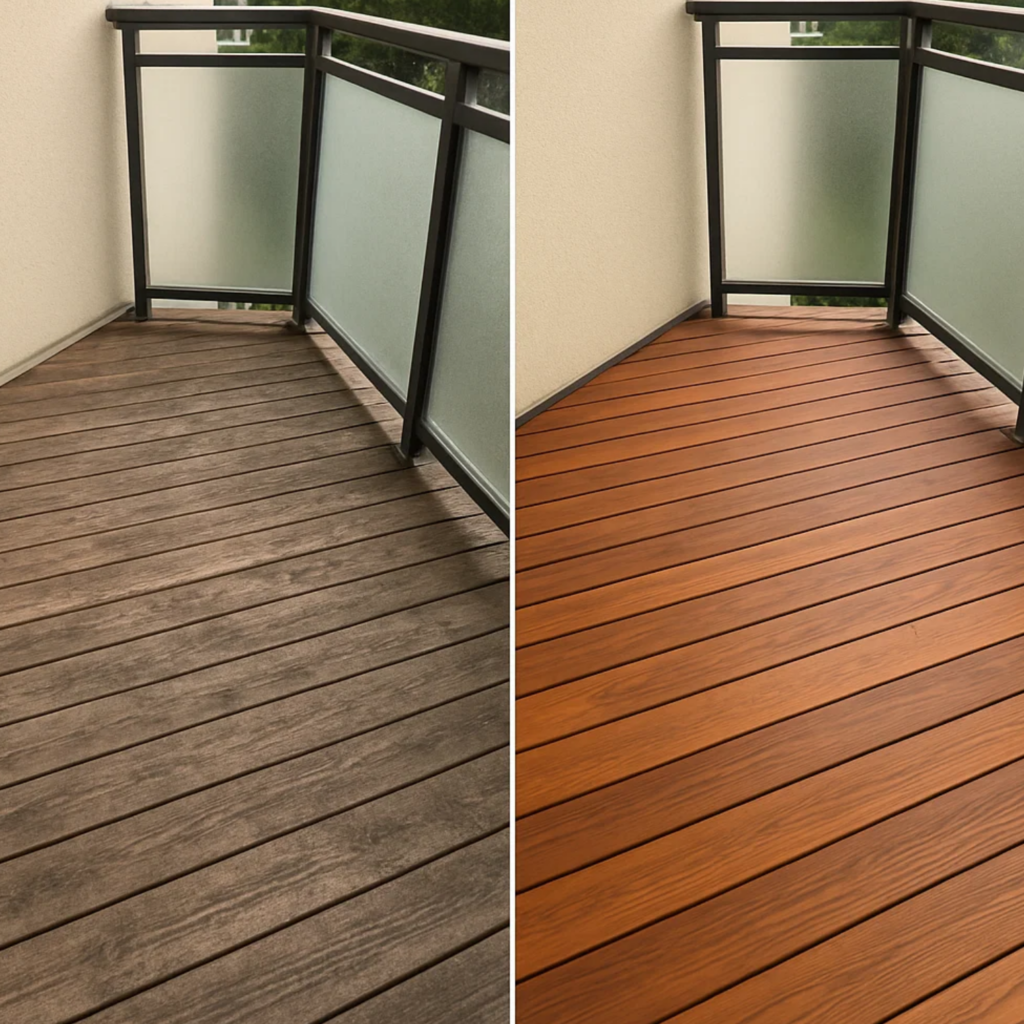
The right cleaning schedule depends on your household. A quiet home with no pets may need a different routine than a busy family home with children, guests, and constant activity.
For most homes, daily or every-other-day dry dusting in busy areas helps reduce grit and surface wear. Weekly cleaning with a microfiber mop is a good baseline for many families. A deeper clean, using the safer damp-mop approach, may be helpful every month or as needed.
Homes with pets, frequent cooking, or high traffic may need deeper attention more often. Entryways, kitchens, hallways, and family rooms usually show buildup first. A home in Gallatin, Tennessee that sees muddy shoes, rainy days, and active family life may benefit from more frequent touch-ups in those areas.
It also helps to think about your flooring as part of your whole-home care plan. Hardwood may need one kind of routine, while soft surfaces need another. Carpet cleaning services, upholstery cleaning, and rug cleaning can all play a role in maintaining a cleaner home. When carpet holds onto dust, odors, or pet issues, it affects the overall feel of the space, even if your hardwood is well cared for.
A balanced plan might include regular sweeping for hardwood, spot cleaning when spills happen, periodic deep cleaning services for soft surfaces, and a professional carpet cleaning visit when your carpets start to look tired or hold onto odor. Healthy homes are often the result of steady habits, not extreme cleaning.
The easiest way to deep clean less often is to prevent heavy buildup in the first place. A few simple habits can make a big difference.
Use doormats at entrances. This helps catch sand, dirt, and moisture before it reaches your wood floors. A well-placed mat can reduce the amount of grit that gets tracked through the house.
Remove shoes indoors when possible. Shoes carry in more debris than most people realize. Small stones and grit can quickly add wear to hardwood surfaces, especially in entryways and hallways.
Clean spills right away. The longer moisture or sticky residue sits, the harder it becomes to remove safely. Fast cleanup lowers the risk of staining and finish damage.
Use furniture pads on chairs and tables. These reduce scratching during everyday movement. They are especially helpful in dining rooms and work-from-home spaces.
Shake out and clean rugs regularly. Rugs protect hardwood, but they also collect dirt. If they get too dirty, they stop helping and start contributing to the problem. Routine rug cleaning or professional oriental rug cleaning can be a smart part of hardwood floor care.
Keep pet nails trimmed. This helps reduce scratches and also makes it easier to keep floors and carpets in better shape. If pets have recurring accidents, addressing them quickly with pet stain removal, urine odor removal, or remove pet smell from carpet solutions can protect nearby surfaces too.
Use the right vacuum settings. If you vacuum around hardwood, make sure the brush roll is turned off unless the machine is designed for hard floors. This prevents extra wear.
These small habits support the safest way to deep clean hardwood floors because they limit the amount of dirt and moisture the floor has to handle in the first place.
Sometimes the biggest help is knowing what not to do. Even well-meaning cleaning routines can cause long-term issues if the method is not right for hardwood.
One common mistake is using too much water. A dripping mop is never the safer choice for hardwood floors. Another mistake is using the wrong cleaner just because it is already under the sink. Multi-surface products are not always safe for finished wood.
Skipping the dry-cleaning step is another problem. Mopping before removing loose dust and grit can leave scratches behind. It also turns dirt into muddy streaks that are harder to remove.
Some homeowners scrub too hard because they want fast results. However, repeated aggressive scrubbing can wear down the finish. Others rely too heavily on steam because it seems sanitary. Unless specifically approved for your flooring, steam often introduces unnecessary risk.
There is also a common habit of waiting too long between cleanings. Dirt that sits for weeks becomes harder to remove gently. It is much safer to do light upkeep often than to let buildup become severe.
Another mistake is forgetting that hardwood is only one part of the room. If your carpet, rugs, or upholstery are holding onto dust, pet odor, or stains, the room may still feel dirty even when the wood floor looks better. That is why many homeowners search for carpet cleaning near you, carpet cleaner near you, or carpet cleaners near you when they start a full-home refresh.
A cleaner home does not come from focusing on only one area. Hardwood floors may be the main concern today, but homes work as a system. Dirt from carpets can spread to hardwood. Dust from upholstery can settle on floors. Pet accidents can affect rugs, baseboards, and carpeted rooms nearby.
This is where the supporting focus on carpet cleaning becomes useful. Many homeowners in Gallatin, Tennessee care for both wood and carpet in the same house. They may deep clean hardwood in one room while another space needs professional carpet cleaning due to wear, stains, or odor. Soft surfaces often hold onto more than what is visible, especially when there are kids, pets, and everyday life happening at full speed.
Safe-Dry helps homeowners think beyond one floor type. Along with creating cleaner and healthier homes, the right cleaning plan can include carpet cleaning service options, upholstery cleaning, rug cleaning, pet urine carpet cleaning, carpet stain removal, carpet odor removal, and carpet deodorizing. When odors linger after home cleaning, it is often because the source is trapped in carpet fibers, padding, or fabric rather than on the hardwood itself.
This whole-home approach is especially helpful when preparing for guests, seasonal refreshes, move-ins, move-outs, or post-accident cleanup. Families often search for affordable carpet cleaning, same day carpet cleaning, emergency carpet cleaning, or a free carpet cleaning quote when a problem suddenly becomes urgent.
While safe hardwood care can be done at home, there are moments when professional help on surrounding surfaces makes the biggest difference in how the entire home feels.
Not every cleaning need should be handled alone. Hardwood care itself often remains a careful homeowner task, but the surrounding cleaning needs in the home may call for professional support.
For example, if rugs near hardwood entries are heavily soiled, professional area rug cleaning can help reduce the dirt that reaches the wood. If upholstered furniture is holding onto odor, upholstery cleaning can freshen the room in a way that floor cleaning alone cannot. If pet accidents have affected nearby carpeted rooms, pet odor eliminator treatments, pet urine removal, pet stain removal, and odor elimination services may be the smarter solution.
This is where families often start comparing carpet cleaning prices, carpet cleaning cost, carpet cleaning estimate options, and carpet cleaning deals. They may be looking for cheap carpet cleaning, but it is often better to focus on value, trust, and results. The best carpet cleaning is not always the lowest price. Homeowners usually feel better working with top rated carpet cleaning providers that offer certified carpet cleaning and insured carpet cleaning services.
In Gallatin, Tennessee, homeowners may also want eco friendly carpet cleaning options that fit a family-first approach. Low-moisture methods and residue-conscious cleaning can support a cleaner space without leaving the home feeling overly wet or hard to use afterward.
Whether you are trying to refresh the whole house or handle a specific issue like dog urine removal, cat urine removal, stain removal service needs, or carpet cleaning specials before hosting family, the right professional support can save time and reduce stress.
It is usually better to avoid strong vinegar solutions unless your flooring manufacturer specifically says it is safe. Vinegar is often suggested in DIY cleaning advice, but it can dull or affect some finishes over time. A hardwood-safe cleaner made for your floor type is usually the safer choice.
In many cases, no. Steam introduces both heat and moisture, which can be risky for hardwood. Unless the manufacturer clearly approves steam cleaning for your specific flooring, it is safer to use a low-moisture method with a microfiber mop.
A microfiber mop is usually one of the safest options. It picks up dust well, uses less moisture, and is gentle on the finish. The pad should be clean and only slightly damp during deep cleaning.
Use a soft microfiber cloth and a small amount of hardwood-safe cleaner. Let it sit briefly if needed, then wipe gently. Avoid abrasive pads or harsh scrubbing. Dry the area after cleaning.
Many homes do well with a deeper clean every month or as needed, along with regular sweeping or dust mopping. High-traffic homes may need more frequent attention in certain areas. The key is steady care rather than letting grime build up too long.
Avoid soaking the floor, using harsh chemicals, rough scrubbers, and unapproved steam mops. Also avoid using too much cleaner, since leftover residue can make the floor look dull or streaky.
Yes, they can. Moisture can seep into seams and cause odor or staining if not cleaned quickly. Nearby rugs and carpets may also hold odor after a pet accident. In those cases, services like pet accident cleaning, pet stain and odor removal, and urine odor removal may help restore the room.
Dullness can come from cleaner buildup, leftover grime, scratches, or wear in the finish. Sometimes the issue is not dirt alone. Try using less product, cleaning with fresh microfiber pads, and checking whether the finish may need professional attention.
Use doormats, remove shoes indoors, clean spills quickly, and dust mop regularly. Also keep nearby rugs and carpets clean so dirt does not keep spreading back onto the hardwood.
That is very common. A whole-home plan works best. You can safely maintain hardwood while also scheduling carpet cleaning services, upholstery cleaning, and rug cleaning when soft surfaces need deeper care. This approach helps the entire home feel cleaner, not just one room.
The safest way to deep clean hardwood floors is not complicated, but it does require the right mindset. Gentle tools, low moisture, the right cleaner, and steady upkeep all help protect the beauty of your floors without adding unnecessary risk. When you understand what causes buildup and what damages hardwood, it becomes much easier to clean with confidence.
For families in Gallatin, Tennessee, clean floors are part of something bigger. They support a healthier space, a more comfortable home, and less stress during daily life. If you are refreshing hardwood while also dealing with rugs, upholstery, or carpeted rooms that need attention, Safe-Dry is here to help you care for the full picture.
From carpet cleaning services and professional carpet cleaning to pet odor removal, carpet deodorizing, area rug cleaning, oriental rug cleaning, and upholstery cleaning, our team focuses on helping homes feel fresh, clean, and family-friendly. If you have been searching for carpet cleaning Gallatin, Tennessee, carpet cleaners Gallatin, Tennessee, carpet cleaning near you, or a free carpet cleaning quote, this may be the perfect time to take the next step.
You can explore our carpet cleaning services, learn more about rug cleaning, or schedule online when you are ready. A cleaner home does not have to feel complicated. With smart care and trusted help, it can feel a whole lot easier.