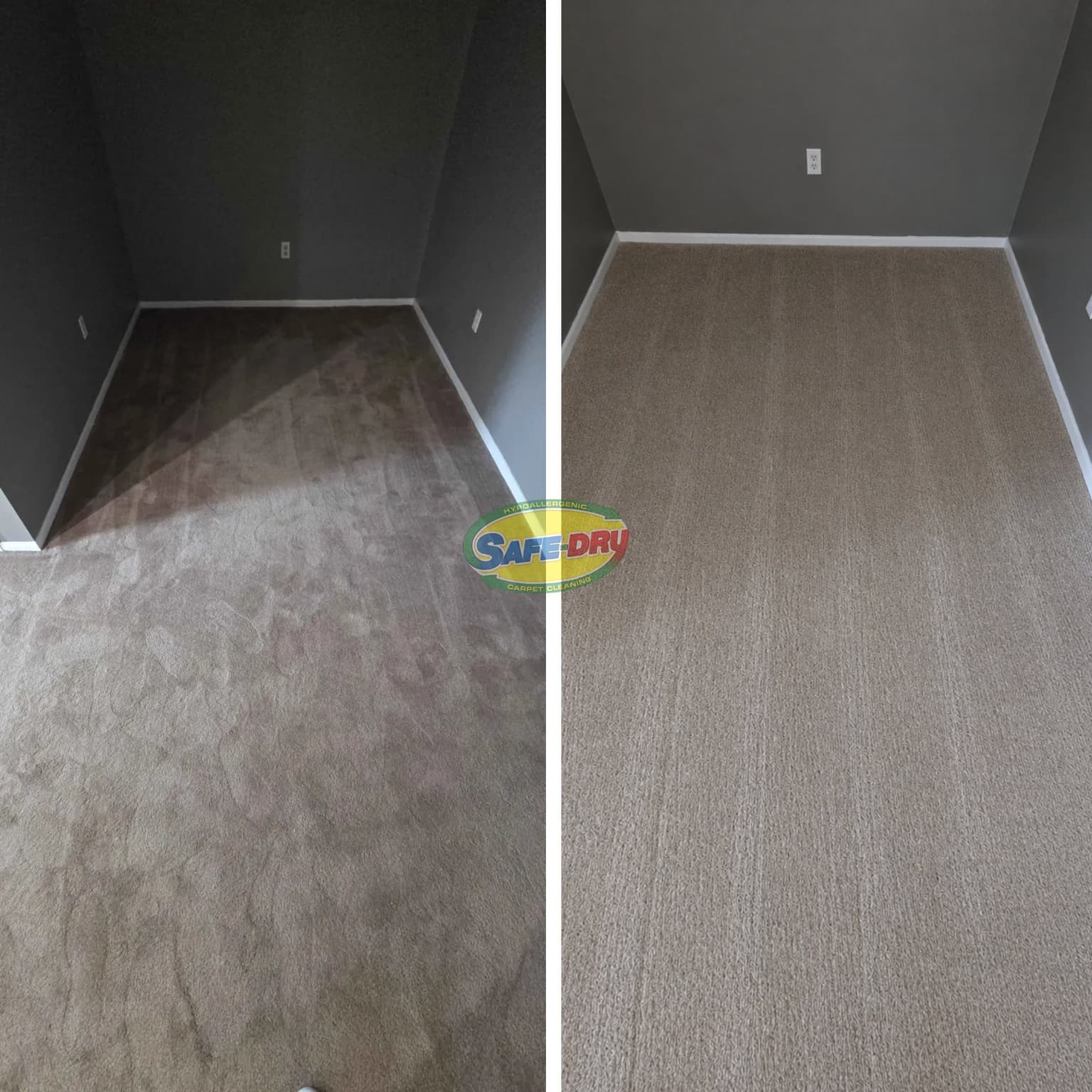
Here's my opinion after a lot of years on this job: the method that makes carpet look great on the day it's cleaned is often not the one that keeps it looking good a month later.
Plenty of approaches brighten a traffic lane for a week. Then the lane goes gray again, the spot by the couch reappears, and the room still feels dull even though you vacuumed yesterday. In Gallatin homes the usual suspects are pets tracking in yard dirt, kids carrying snacks down the hallway, and a Middle Tennessee calendar that serves up red clay mud one week and a yellow coat of pollen the next.
A real deep clean gets out the gritty soil you can't see and lifts whatever sticky film old DIY products left behind. It does both without leaving the carpet soggy or the house smelling like chemicals.
What makes one method better than another
Two things undo most carpet cleaning: residue and water.
Residue is the big one. Shampoos and a lot of spray cleaners leave a film that feels clean when it's fresh and then acts like flypaper for dirt. That's why some carpets re-soil so fast after a cleaning.
Water is the other. High-water methods can soak through to the pad, and then you're looking at long dry times, a musty smell, and stains that wick back up from below.
So the best method for deep results breaks up soil and oils, pulls them up out of the pile, extracts them thoroughly, leaves little or nothing behind, and keeps the pad dry. Low-moisture cleaning with strong extraction checks those boxes. Hot water extraction can too, when it's done with controlled moisture and a true rinse. Encapsulation is fine for upkeep but usually falls short on heavy soil. Shampoo-heavy cleaning is the one we'd steer you away from, full stop.
The 10-step process
You can do a version of this yourself with a home machine. It's also the logic behind how we clean.
- Figure out what you're dealing with. Walk the house and note traffic lanes, stains, odors, and crushed or matted pile. Most residential carpet is nylon, polyester, or olefin, and each reacts differently to heat and chemistry. If you don't know, treat it gently. If you suspect a pet accident, skip heavily scented products that only hide it.
- Vacuum slowly first. This is the most skipped step and the most important. Most of what makes carpet look dull is dry particulate soil, and adding moisture turns it into mud. Make two to four slow, overlapping passes per lane, hit the edges, and do the traffic paths twice.
- Choose a method that won't leave residue. See above. If a product foams a lot, be suspicious.
- Test in a hidden spot, like a closet corner or under a couch edge. Wait 10 to 15 minutes and check for color change, texture change, or a sticky feel once it dries.
- Pre-treat and wait. Mist traffic lanes lightly, work it in with a soft brush, and let it sit 5 to 10 minutes. On stains, blot first, then apply a targeted treatment. A local tip: let red clay mud dry completely and vacuum it up before any wet step. It sounds backward, but it keeps the clay from smearing.
- Agitate gently with a carpet rake or soft brush, in even strokes. Hard scrubbing frays fibers, especially on looped carpet.
- Extract like you mean it. This is where deep results are actually made. With a home machine, use warm water (never boiling), move slowly, and do at least one suction-only pass for every wet pass.
- Spot-check under good light while the carpet is slightly damp. Re-treat the faint outlines, not the whole room.
- Dry it with airflow: ceiling fans, a box fan aimed across the surface, and the HVAC fan setting. Skip high heat, which can set some stains.
- Reset the pile. Once it's dry, vacuum again to lift the fibers and catch anything that loosened. Put furniture back on tabs or blocks.
Why we built ours around very little water
Safe-Dry spent years building a process that uses a fraction of the water of old-school steam cleaning. The fizz does the work detergent used to do. Carbonation pops soil loose from the fiber so it can be pulled out, and since there's no soap, there's no film.
On a typical visit the technician asks you where it's worst, then goes looking for the spots you didn't mention. The lanes and stains get pre-treated, the solution goes down and comes back up with the soil in it, and in most homes the carpet is ready for bare feet an hour later. Nothing harsh stays in the fiber, which matters when a toddler or a dog is going to be lying on that floor by dinnertime.
Most Gallatin homes do well with a professional clean every 9 to 12 months. Busy houses with kids or several pets usually need the main living areas done every 6 to 9 months.
Prep is simple. Pick up the toys and pet bowls, and plan on light foot traffic until everything's dry. If you've already tried the DIY route and the same lanes keep coming back, professional carpet cleaning is the next move, and an odor and stain treatment can go on the stubborn pet areas the same day. Grab a slot through the scheduler, or pick up the phone, 615-380-7554, and start by describing the lane that won't stay clean.